
I’ve been thinking a lot about legacy lately. Not as something you look back on, but something you build and pass forward.
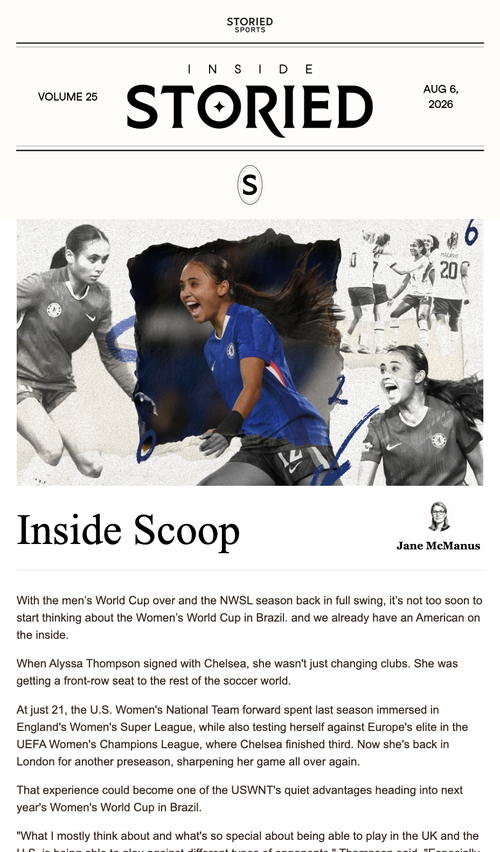
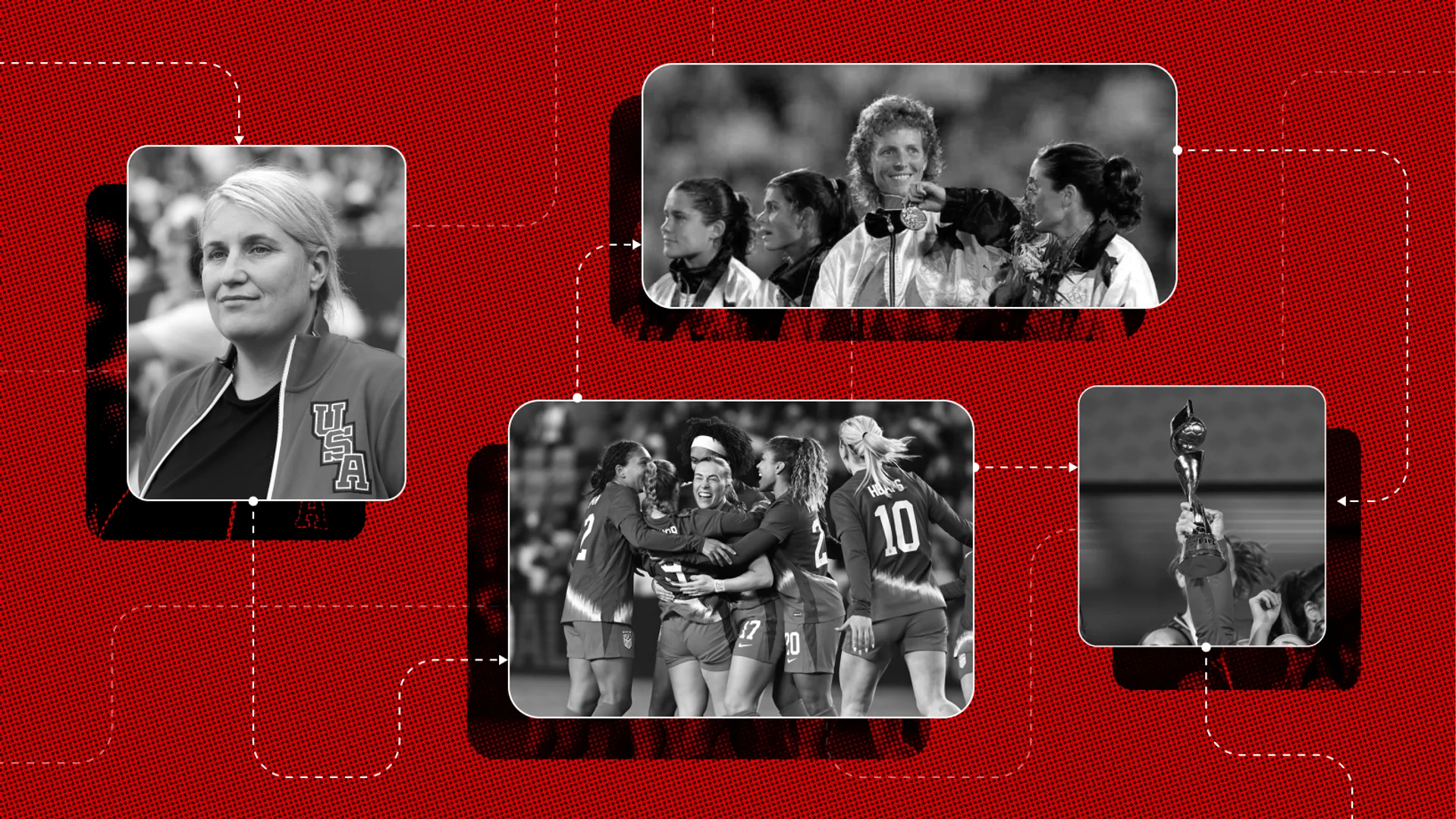
The idea of building something bigger than yourself is what Emma Hayes is instilling with the U.S. Women’s National Team. She started 11 new players in a friendly against Japan, a really good team.
She knew they might not win. But winning a World Cup isn’t about comfort. It’s about preparation. It’s about stress-testing your players before the stakes are highest.
So she put them in that moment and asked:
Who are you? What do you want to do? What is your commitment to this team?
The 1–0 loss might sting, but now she has answers. That’s how you build a championship team. And the response around the team reflects that belief. That game drew more than 36,000 fans at Lumen Field in Seattle, another reminder that women’s soccer isn’t waiting for attention anymore. It’s commanding it.
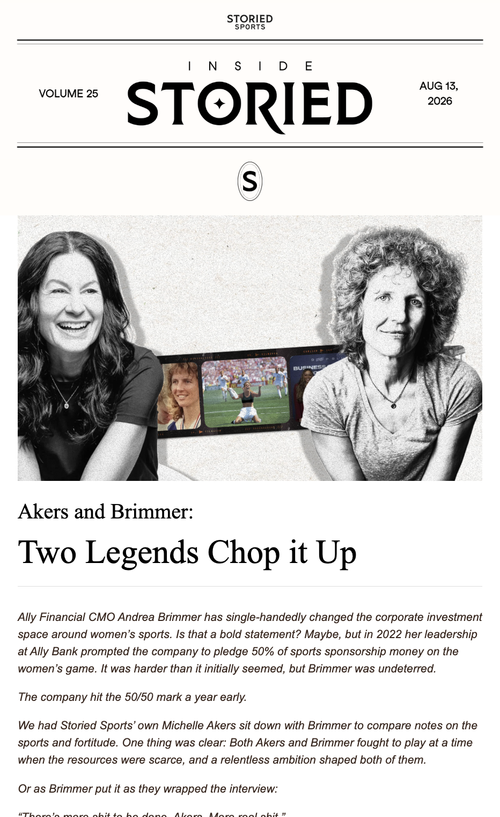
At the same time, I’ve been part of another project that’s made me think about legacy in a different way. Perry Mattfeld is playing me in the upcoming Netflix film about the 1999 World Cup team, and she’s deep in the process, asking questions, digging into the details, trying to understand what those moments really felt like.
She’ll text something like, “What was it like being on the bench after the injury?” And I have to stop and think, what did that feel like?
They’re working so hard to get it right, to be authentic. And I’m revisiting those memories, understanding them in new ways.
It will probably take a lifetime to fully grasp what that team meant. People still tell me where they were when they watched those games. Even Emma Hayes has talked about how that moment shaped her, long before she ever coached this team.
And now, as filming begins and Perry steps into that role right down to the curly hair, I can’t help but feel excited. Because this is what legacy looks like when it’s working. It’s not static. It’s not just memory. It’s something that moves, through coaches like Emma, through players stepping into bigger roles, through stories being retold for the next generation.
Because this conversation between the players who built the foundation and the ones carrying it forward is essential. And when it’s built into something tangible, like a best-at-your-position award that the Naismith 5 talked about, it becomes part of the culture.
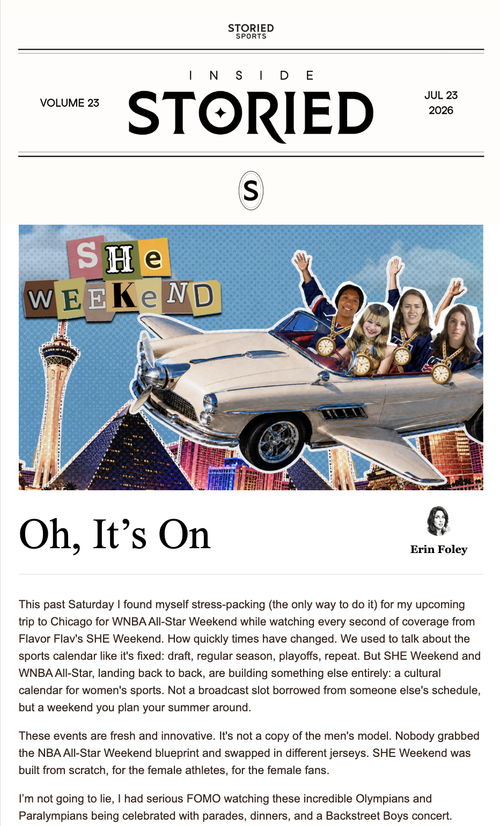
You could see the competitiveness between those basketball players, but also the respect, the shared understanding of what it took to get there.
They’re not competing against each other. They’re competing for each other.
You need that history to create connection between eras, and I can't wait to see the 99ers on the big screen. It’s a legacy.