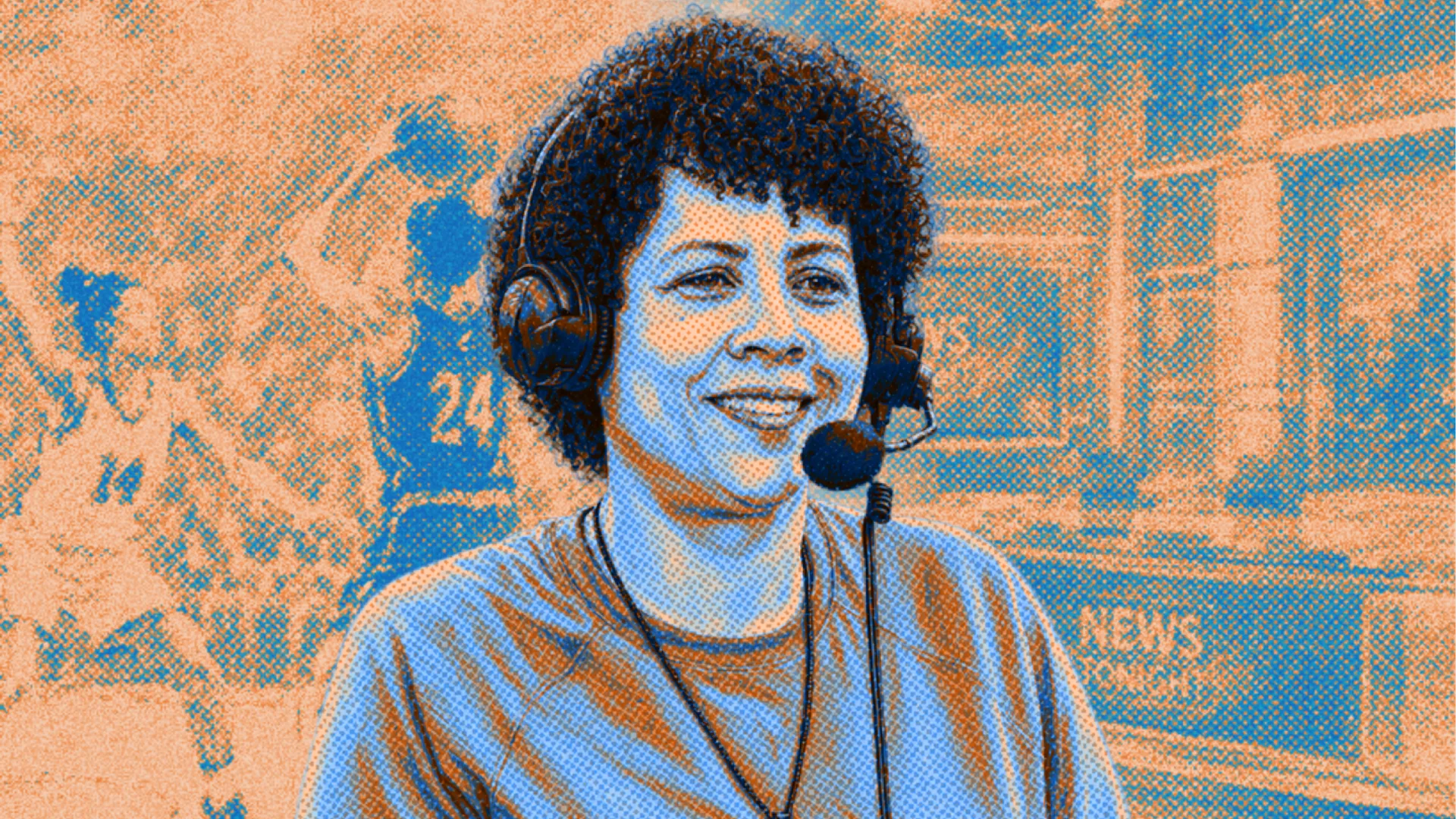

The WNBA is leveling up this season, and as one of the broadcasters for NBC and Peacock, it’s been amazing to be in the middle of it all.
This league was ready to go big, and it’s been brilliant.
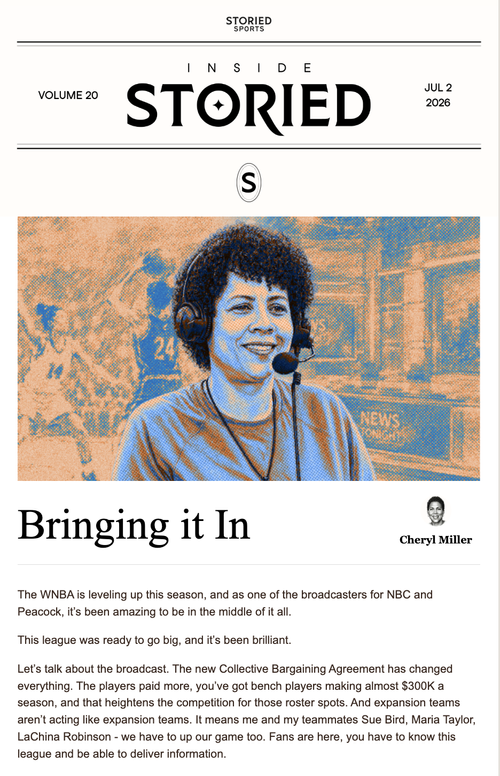
Let’s talk about the broadcast. The new Collective Bargaining Agreement has changed everything. The players paid more, you’ve got bench players making almost $300K a season, and that heightens the competition for those roster spots. And expansion teams aren’t acting like expansion teams. It means me and my teammates Sue Bird, Maria Taylor, LaChina Robinson - we have to up our game too. Fans are here, you have to know this league and be able to deliver information.
Being a game analyst gives you space—forty minutes of it. That’s forty minutes to tell stories, highlight players, and let the game unfold in real time. You can build a rhythm, follow threads, and, frankly, talk your way through it. There’s a freedom in that. You’re reacting, you’re connecting, and you’re giving viewers a fuller picture of what they’re seeing. It’s about using that time to elevate the athletes and the moment, to make sure their performances are understood and appreciated.
The studio is different. There, time is structured—pregame, halftime, postgame—and you have to be much more deliberate. You might come in with five strong points, but you can’t use all of them. You have to be aware of the conversation around you: what your colleagues want to say, how your point might lead into theirs, or whether it’s better to hold back.
There’s a discipline to choosing your best two ideas and trusting that they will carry the segment. We talk through it beforehand, we align, and then once we’re live, it often shifts—that’s the nature of live television. But that unpredictability is part of the energy. You adjust, you respond, and you stay engaged with the people around you.
That’s where chemistry becomes everything. When I met with LaChina, Sue and Maria for the first time, there was an immediate spark. You can have all the knowledge in the world, but if you don’t have that connection with your colleagues, it doesn’t land the same way. I’ve been fortunate to work in environments where that chemistry is real, where there’s a willingness to challenge each other and have fun with it. We might tease each other, push each other, even catch each other off guard, but it comes from a place of trust. When that’s there, the conversation flows, and the audience can feel it.
At this stage of my career, I’m clear on one thing: I have nothing to prove. I’ve done what I’ve done, said what I’ve said, and most importantly, accomplished what I’ve accomplished. So for me, it’s not about being the center of the moment. It’s about making sure the focus stays where it belongs: on the players, the teams, the coaches.
And if I can give Olivia Miles a new nickname like The Show, even better.
It’s their game, their story. My job is to highlight that, to be honest in what I see, and to do it in a way that respects the people involved. If I can bring insight, clarity, and a little personality to that process, then I’ve done my job.