

It certainly looks simple, but the price you’ll pay to see the US Open is more than a matter of wages.
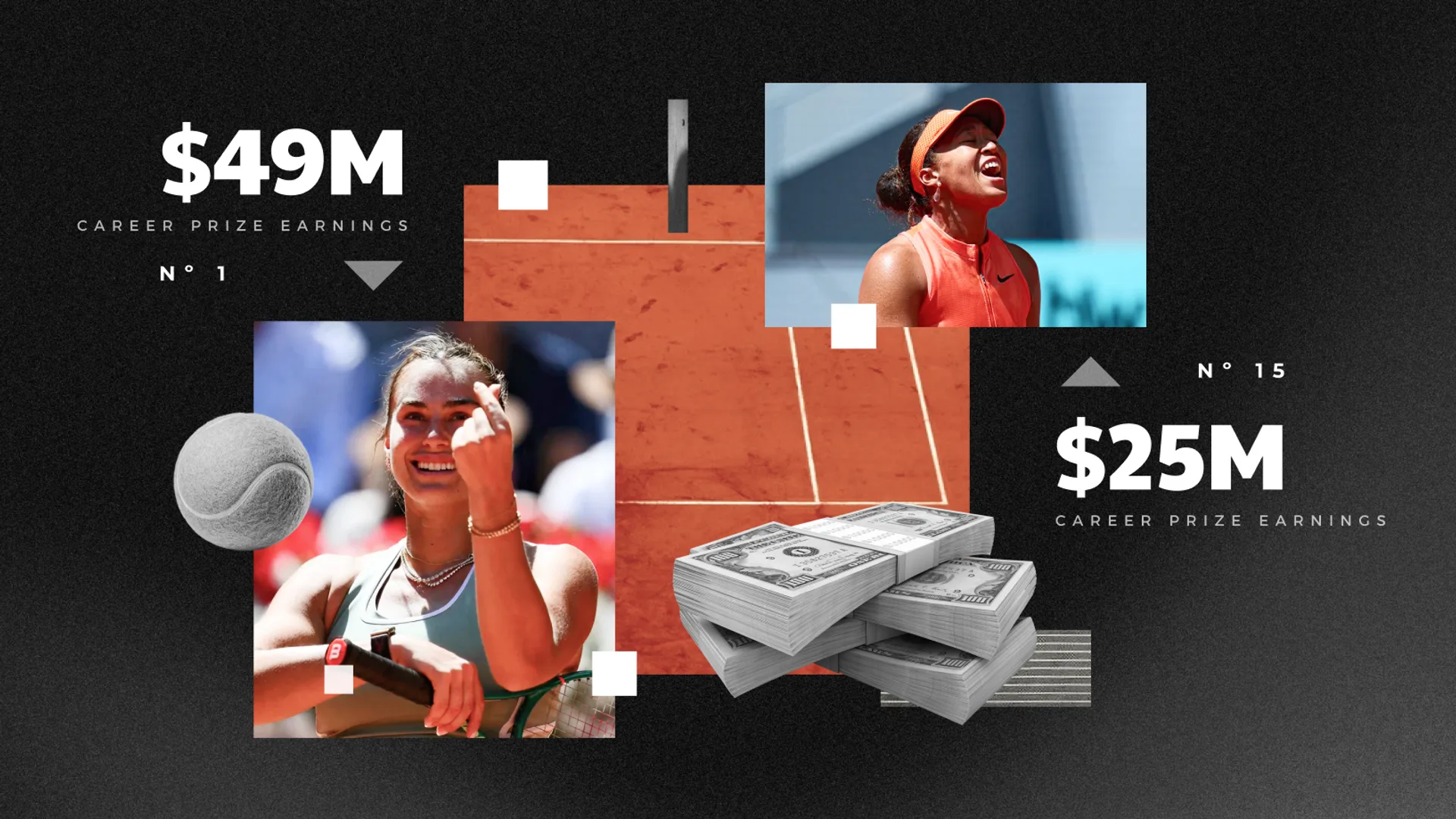
The USTA announced that this year's tournament will offer $108 million in player compensation, a 20% increase over last year and a remarkable 44% increase in just two years. Singles champions will each take home $5.5 million, while even players who lose in the first round will earn a record $140,000. That's great news for the athletes at a tournament that has paid the women and men equal prize money since 1973.
It’s not charity.
The US Open is making a calculated business decision. As the tournament's value has exploded, so has its willingness to share more of that value with the people fans are actually paying to see. At the same time prize money is soaring, the USTA is in the middle of an $800 million renovation of Arthur Ashe Stadium, reshaping the venue to create more premium hospitality experiences for its highest-paying customers. The economics are hard to miss. The tournament is charging more because corporate partners and fans are willing to pay more.
And they're paying a lot more.
This year's resale market has turned opening-day tickets into luxury items according to a recent calculation in The Athletic. A grounds pass with no guaranteed seat has climbed above $360, despite a face value of $65. Upper-deck seats in Arthur Ashe Stadium are selling for more than $300, while lower-bowl seats routinely exceed $500. Premium seats can now top $2,000.
The US Open has always been a mix of affluence and access. Grounds passes have been a low cost way to get close to the best players in the world while stopping by the Qatar Airlines booth with a first class seat on the way to that lobster roll at the food court.You don’t have to love tennis to want to be part of that late summer scene.
The US Open is generating more revenue from premium experiences, sponsorships, media rights and hospitality. Players have increasingly argued that if the tournament is making more money because of their performances, they should share in that growth. If the argument sounds familiar, that’s because it is; players in the WNBA were particularly clear about wanting more of the percentage of revenue in the most recent Collective Bargaining Agreement.
In an era when athletes across sports are increasingly asking not just to be paid, but to participate in the value they create, the US Open has decided that investing in players is also an investment in its own future. And there was pressure. Tennis players held a protest at Roland Garros this year after seeing the prize money announced.
The challenge now is making sure there's still room for the spectators who helped make this tournament so special. Something fans can appreciate as they sip a Honey Deuce, that $23 marvel of a cocktail with a little tennis ball-shaped melon. (Which, ahem, now generates over $17M in revenue).