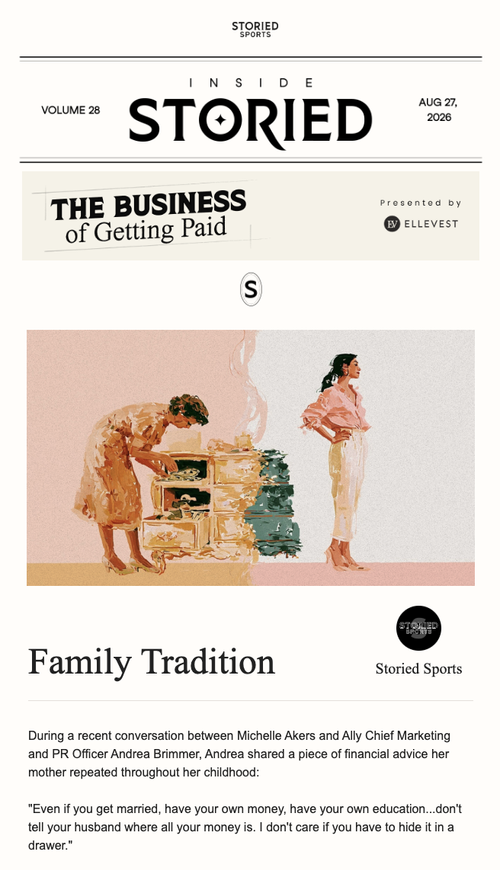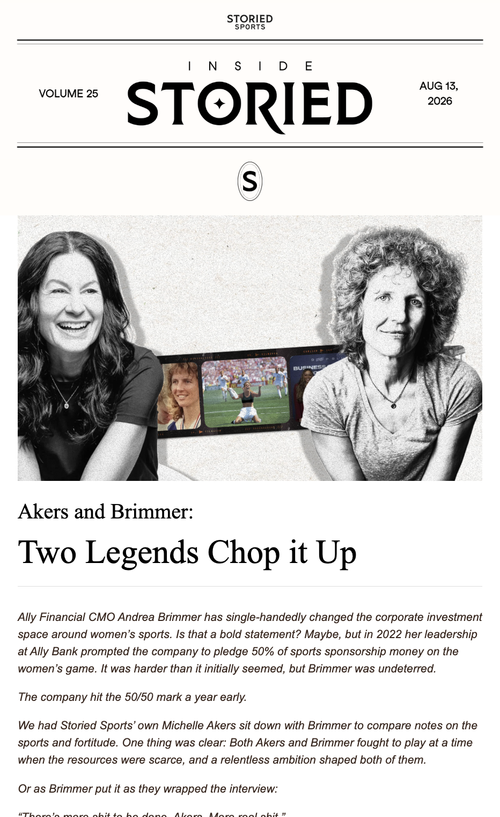
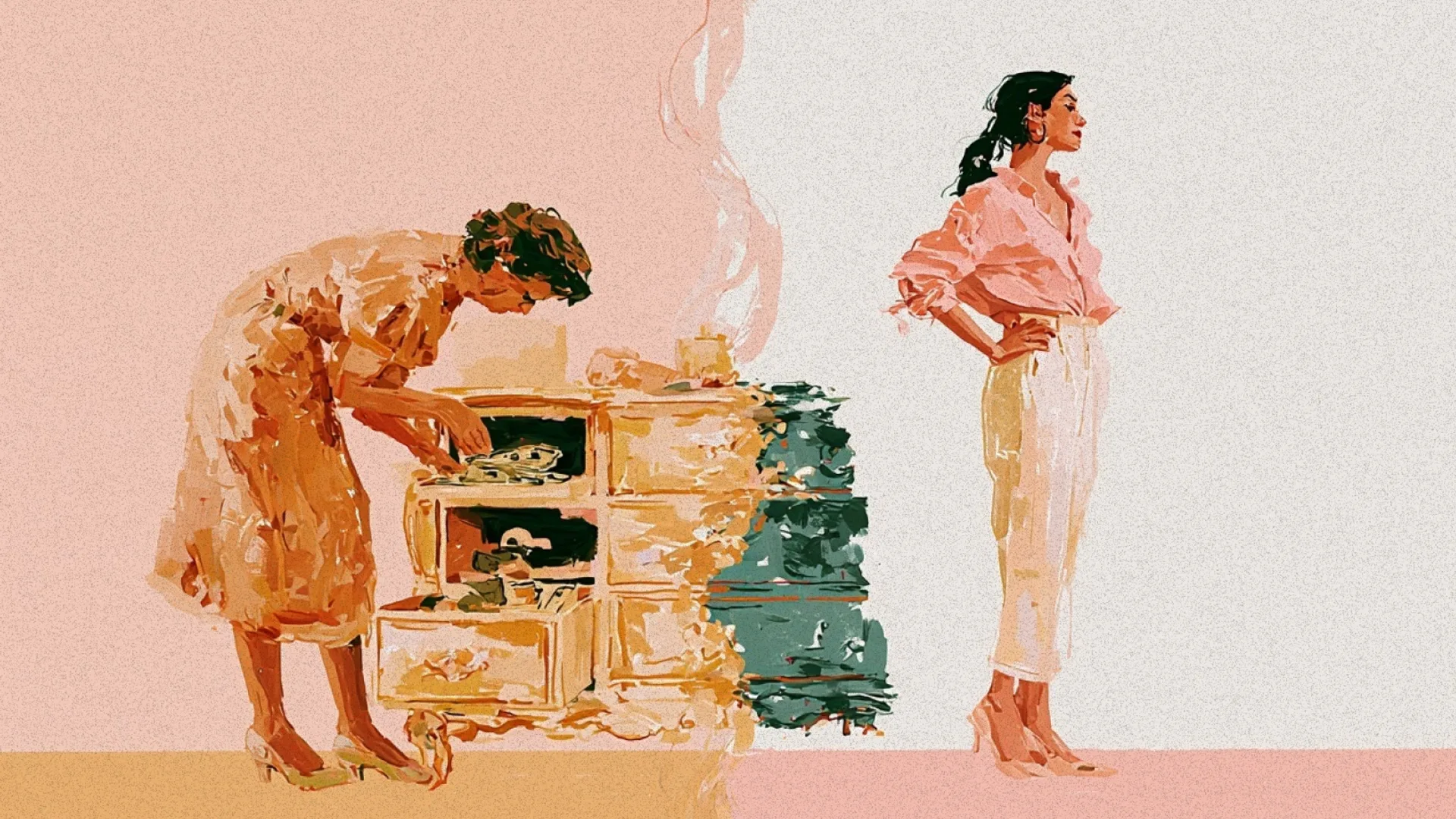

During a recent conversation between Michelle Akers and Ally Chief Marketing and PR Officer Andrea Brimmer, Andrea shared a piece of financial advice her mother repeated throughout her childhood:
"Even if you get married, have your own money, have your own education...don't tell your husband where all your money is. I don't care if you have to hide it in a drawer."
That exchange sparked an unexpected conversation within our own team. One by one, women shared that they'd heard some version of the same advice from their mothers or grandmothers.
It made us wonder: How universal is this experience? And what does that advice say about the generations of women who came before us? Is this advice still relevant?
We went to Samantha Vient CFP, an Ellevest wealth advisor, to find out more.
Vient explains that this advice is a bit of a time capsule. Women simply didn't have the economic power they have today. American women didn't gain the right to vote until 1920, and they couldn't get a credit card in their own name until 1974. Many couldn't open bank accounts, build credit, or access money without a husband or father. In that world, squirreling away a little cash wasn't paranoia. It was protection.
Women passed this advice down to keep each other safe.
Generations of women experienced financial manipulation, infidelity, or abusive relationships. Many worked in informal jobs where they were paid in cash, making it possible to quietly set aside a little money over time. That hidden stash wasn't about secrecy for secrecy's sake. It represented something much bigger: the ability to leave if they had to.
At Ellevest, they often say, "Money is power." Looking back, Vient says that's exactly what these mothers and grandmothers were trying to pass on. Having your own education meant having earning potential. Having your own money meant having choices. Together, they created independence.
The advice itself, though, has evolved.
That independent account doesn't have to be hidden anymore. In a healthy relationship, it shouldn't have to be. But having money in your own name, understanding your investments, and knowing where you stand financially remains just as important as ever.
Today, Vient says, there isn't one right way for couples to manage their finances. Some combine everything. Others keep separate accounts or use a hybrid system. The important part isn't whether the accounts are joint or separate. It's that both partners understand the household finances, participate equally in financial decisions, and maintain some financial independence.
And the next generation doesn't need to inherit stories about cash hidden in a dresser drawer. They need financial literacy.
Vient encourages women to build a solid financial foundation: maintain an emergency fund, avoid consumer debt, and consistently invest for retirement. Those habits don't just create wealth. They create options. The next generation should feel in control of their finances.
However you choose to manage it with a partner, don't ever surrender your voice or your ability to make your own choices. Your money is your power.