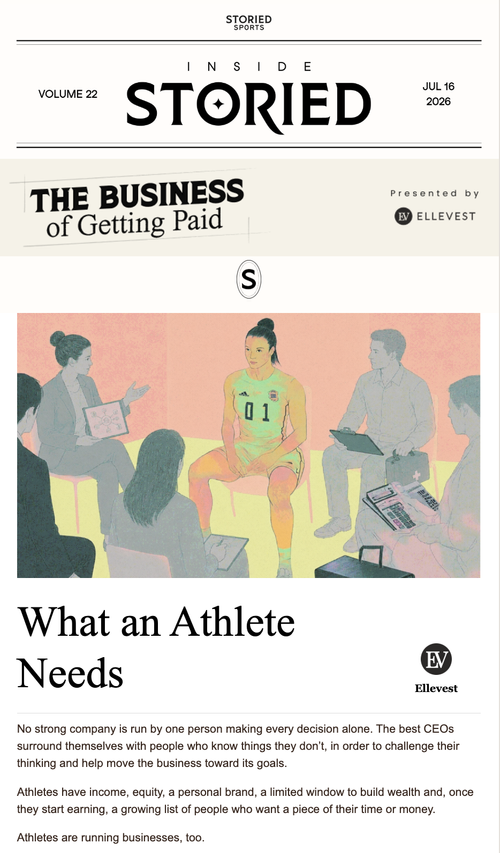
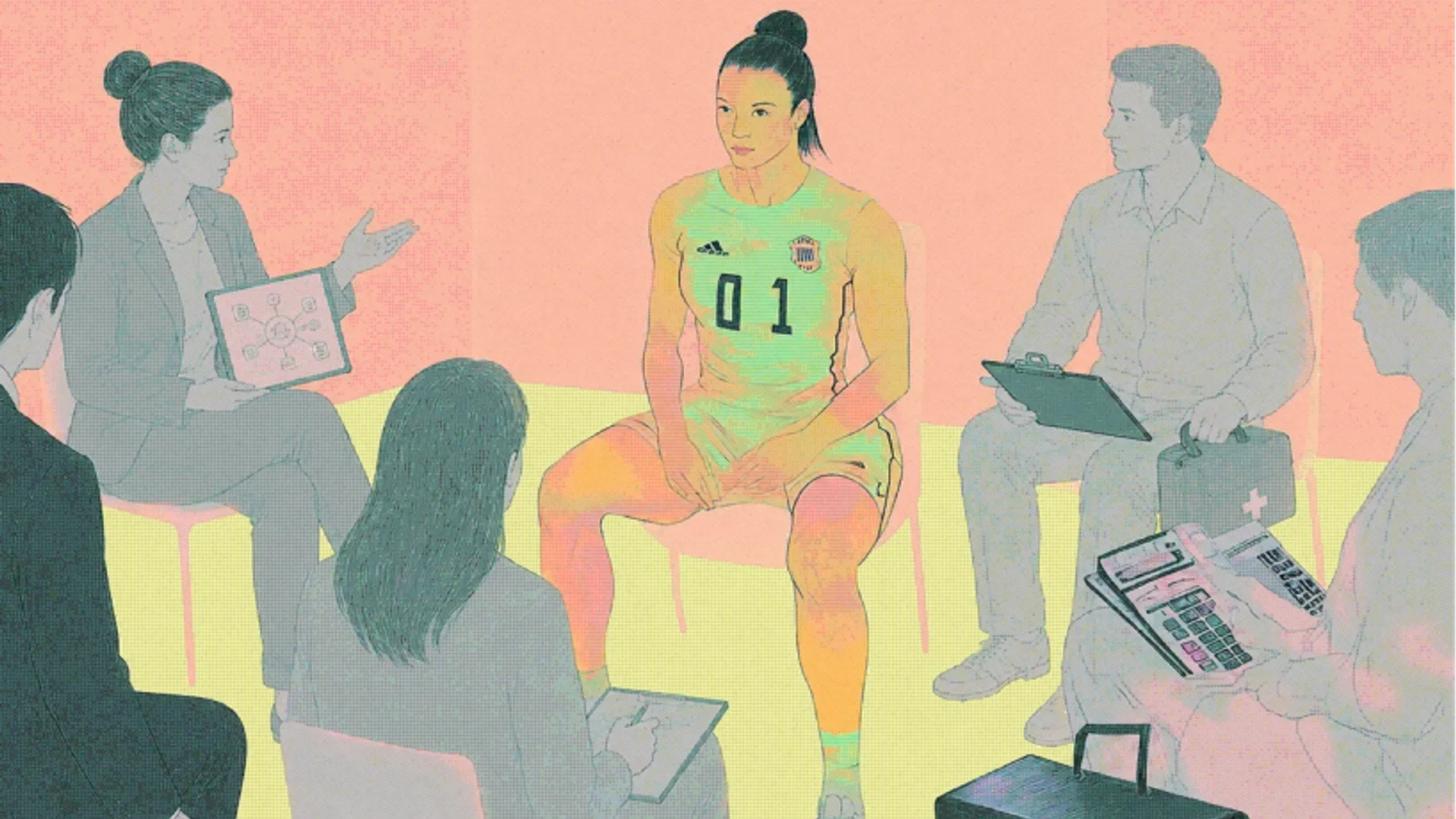

No strong company is run by one person making every decision alone. The best CEOs surround themselves with people who know things they don’t, in order to challenge their thinking and help move the business toward its goals.
Athletes have income, equity, a personal brand, a limited window to build wealth and, once they start earning, a growing list of people who want a piece of their time or money.
Athletes are running businesses, too.
They (and a lot of us) need a small circle of people they can trust enough to call before making a major decision, and who bring genuinely different perspectives to the table. The value of those conversations is not in handing the decision over, it is in making sure they are seeing the full picture: the financial implications, the personal impact, and the long-term tradeoffs
What kinds of decisions an athlete should bring to their board:
Whether a brand partnership fits who they actually are, and not just what it pays
Whether to say yes to an opportunity that a friend or family member suggests
How to think about life after a playing career, starting to plan years earlier
An advisory board will not replace licensed, professional expertise, and knowing the difference is one of the most important judgment calls an athlete can make. Think of your professional team as separate from your informal board, and just as essential.
That pro team typically includes:
A financial advisor, ideally a fiduciary, to help athletes invest a signing bonus or new contract, build a real financial plan, and provide clarity about where they’re actually headed
An accountant, especially to deal with multi-state taxes, endorsement income, or business entities
An estate attorney, to draw up a will and any trusts, far earlier than most young people think they need one
An insurance broker, to protect the income
Peak earning years are often shorter than people expect, even when your career is going great. The temptation to spend, lend, and invest like the income is permanent is very real. Building your advisory board (and your financial plan) in year one, not year ten, gives you a much longer runway to make mistakes that are small not catastrophic.
Building an all-important team takes intention, and it won’t happen by accident. But the athletes who start early and who treat themselves like a business worth protecting are the ones who come out the other side of their careers with more than a highlight reel. They come out with a plan, and the confidence that every decision along the way, big or small, was ultimately theirs to make.